
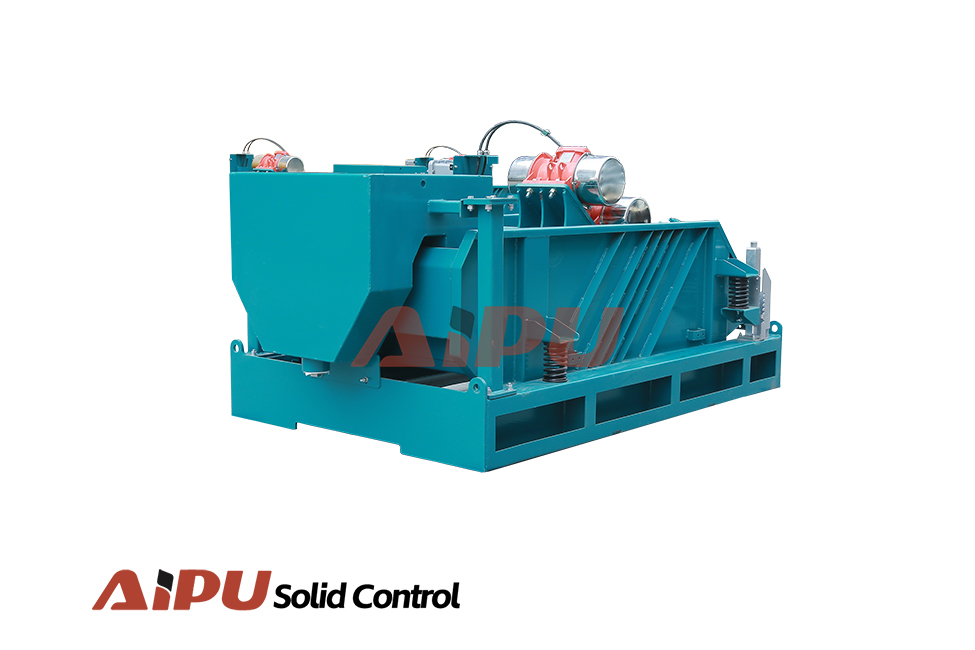
The basic structure of an oilfield shale shaker is fundamental to its role as the primary solids control equipment in drilling operations. It functions by using high-frequency vibration to separate drill cuttings from the drilling fluid, or mud. Understanding its core components is essential for optimizing performance, maintenance, and overall efficiency on the rig. The design directly impacts the quality of the drilling fluid returned to the system and the lifespan of downstream equipment.

The Vibrating Basket and Screen Frame
At the heart of the shale shaker is the vibrating basket, which holds the screening surfaces. This basket is mounted on springs or rubber mounts that allow it to oscillate freely. Inside the basket, the screen frame holds one or more layered screens, or mesh panels, which are the actual filtering media. The vibration is transmitted to the entire basket assembly, causing the solids to move across the screen surface while allowing the cleaned fluid to pass through.
The Vibrator Assembly (Motors)
The motion is generated by the vibrator assembly, typically consisting of one or two unbalanced-weight electric motors mounted on the basket. As these motors rotate, the centrifugal force from the weights creates a circular or linear vibrating motion. This action propels the drill cuttings toward the discharge end of the shaker while the fluid and finer particles pass through the screen mesh.
The Bed and Hopper (Feed Box)
Drilling fluid laden with cuttings enters the shaker through a feed box or hopper at the head of the basket. This component distributes the incoming slurry evenly across the width of the first screen, preventing localized flooding and ensuring optimal use of the entire screening area. Proper distribution is critical for efficient separation and maximum screen life.
Discharge Outlets and Base
Separated solids, now relatively dry, are conveyed off the end of the screen and discharged into a cuttings collection system. The cleaned drilling fluid flows through the screens into a collection pan beneath the basket, which then channels it to the next phase of the solids control system. The entire assembly is supported by a rigid steel base that provides stability and houses the electrical controls.
For operations seeking reliable and efficiently designed shale shakers, Aipu offers a range of robust solids control equipment. Their shakers are engineered with a focus on durable construction, effective vibration dynamics, and user-friendly maintenance features, contributing to smoother drilling operations and cost-effective fluid management.
If you are interested in the article, please feel free to share it: https://shakerscreens.org/solids-control-equipment/basic-structure-of-an-oilfield-shale-shaker.html
If you are interested in our equipment, please feel free to contact me at info@aipusolidcontrol.com
