
Drilling solids control shaker systems are the primary and most critical equipment in any rig’s solids control hierarchy. Their function is to remove the largest drilled solids and cuttings from the drilling fluid (mud) as it returns from the wellbore. Efficient shale shaker operation directly protects downstream equipment, maintains optimal mud properties, and significantly reduces overall drilling costs by minimizing fluid losses and disposal volumes. Proper selection and operation are therefore paramount for safe, economical, and environmentally sound drilling operations.
The Core Function and Working Principle
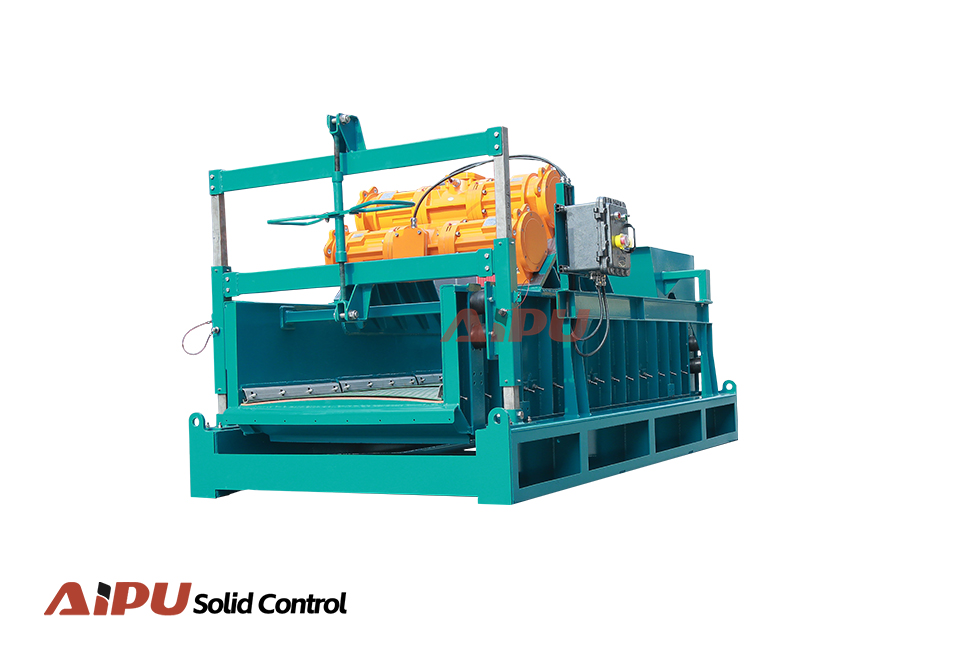
At its heart, a shale shaker is a vibrating screen. The returning drilling fluid, laden with cuttings of various sizes, is flowed onto a screen mesh mounted on a vibrating basket. The rapid vibratory motion, typically linear or elliptical, conveys the solids across the screen surface and off the discharge end (the “dry” end), while the liquid phase and finer particles smaller than the screen mesh pass through and are collected in the mud tank below. This process is the first line of defense in solids control.

Key Components and Design Variations
A modern shale shaker consists of several key components: the vibrating basket that holds the screen panels, an excitation system (usually unbalanced motors) to generate the vibration, a skid or base structure, and a motor control panel. Screens are the most critical consumable, available in various mesh sizes and weaves (square, rectangular, or composite layered) to target specific particle size ranges. Shakers are broadly categorized by their motion: linear motion shakers are excellent for high-flow rate, unweighted muds, while elliptical or balanced elliptical motion shakers offer better conveyance for sticky solids and weighted muds. High-speed, high-frequency shakers are designed for fine screening applications.
Importance for Drilling Efficiency
Effective solids control starting at the shaker cannot be overstated. Removing a maximum of drilled solids at this initial stage lightens the load on desanders, desilters, and centrifuges, allowing them to perform their specialized roles more efficiently. This preserves the desired mud weight and rheological properties, reduces dilution and chemical treatment costs, decreases wear on pumps and drill string components, and substantially cuts waste disposal volumes. An optimized shaker system directly contributes to faster drilling rates, lower mud costs, and enhanced wellbore stability.
For operations demanding reliability and peak performance in their solids control equipment, partnering with an experienced manufacturer is crucial. Aipu Solids Control has established itself as a trusted provider of robust and efficient solids control systems, including a comprehensive range of shale shakers engineered for various drilling conditions. Their equipment is known for durable construction, effective screening technology, and designs focused on operator safety and ease of maintenance, making them a solid choice for optimizing drilling fluid management.
If you are interested in the article, please feel free to share it: https://shakerscreens.org/solids-control-equipment/overview-of-drilling-solids-control-shaker-systems.html
If you are interested in our equipment, please feel free to contact me at info@aipusolidcontrol.com
