
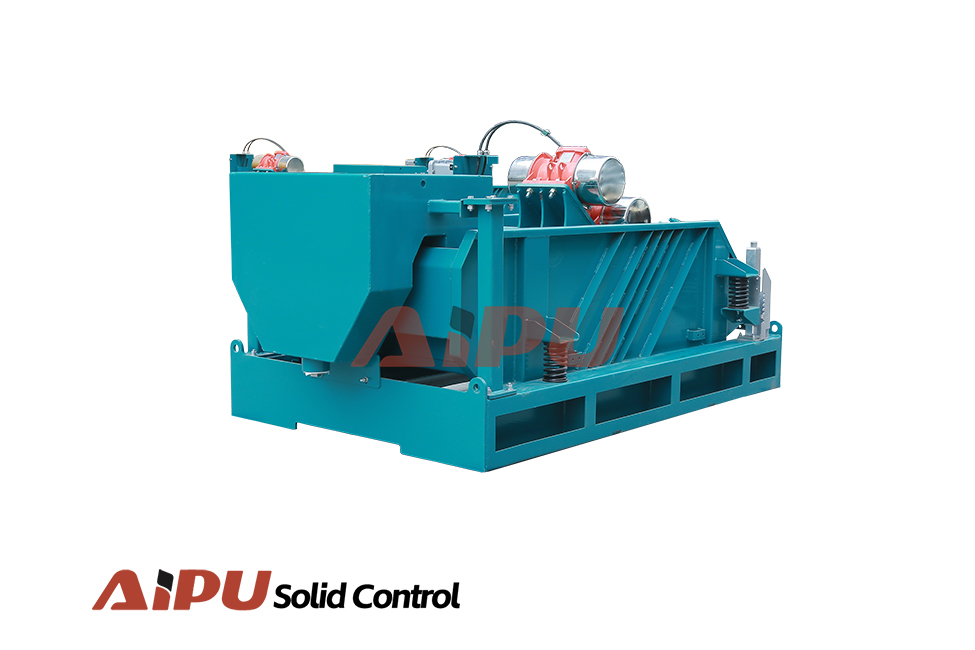
Proper screen cleaning is critical to maintaining shale shaker efficiency, minimizing drilling fluid loss, and reducing operational costs. A clogged or blinded screen drastically reduces solids separation capacity, increases waste, and puts strain on the entire mud system. This guide outlines effective, safe methods for cleaning shale shaker screens.

Understanding Screen Blinding (The Problem)
Before cleaning, identify the type of blinding:
- Coarse Blinding: Large cuttings physically lodged in the mesh.
- Fine Blinding / Plugging: Ultra-fine particles (silts, clays) embedded in the screen cloth pores.
- Chemical/Sticky Blinding: Gummy residues from sticky formations or certain mud additives (e.g., polymers).
- Capillary Blinding: Caused by surface tension holding fine, wet solids to the wires.
Mechanical Cleaning Methods (Primary, On-the-Fly)
These are the most common daily methods used while the shaker is running or during brief pauses.
- Brush Cleaning (Manual):
- Tool: A stiff, non-metallic (plastic or fiber) bristle brush.
- Procedure: Gently scrub the screen surface in the direction of the screen weave (not against it) to dislodge solids. Use caution to avoid damaging the screen cloth.
- Best For: Removing loosely lodged coarse cuttings and breaking up surface mats.
- Spray Bar Systems (Automatic/Manual):
- Tool: A manifold with high-pressure nozzles mounted above or below the screen deck.
- Procedure: Pressurized water or a diluted detergent solution is sprayed onto the screen to blast away solids. Can be automated on a timer or operated manually.
- Best For: Continuous, preventative cleaning; effective for water-based muds. Caution: High pressure can damage fine mesh screens.
- Ball Deck Cleaners:
- Tool: Rubber or polyurethane balls placed between a lower support screen and the primary fine screen.
- Procedure: The shaker’s vibration causes the balls to bounce randomly, striking the underside of the screen and dislodging plugged particles.
- Best For: Continuous, passive cleaning to prevent fine blinding. A low-maintenance option.
Advanced/Offline Cleaning Methods
Used for severe blinding or during rig downtime for deep cleaning.
- Chemical Soaking & Cleaning:
- Procedure: Remove the screen panel and soak it in a dedicated screen cleaning solution, mild acid (for carbonate scale), or a diluted, mud-compatible detergent. Follow with a thorough freshwater rinse.
- Best For: Sticky, gummy, or polymer-related blinding. Critical: Always verify chemical compatibility with the screen epoxy and mesh material to avoid corrosion.
- Ultrasonic Cleaning:
- Procedure: Submerge the screen panel in a tank where high-frequency sound waves create cavitation bubbles that scrub particles from the mesh at a microscopic level.
- Best For: Reviving expensive, severely blinded fine-mesh screens. It is highly effective but requires specialized equipment.
- Steam Cleaning:
- Procedure: Use a portable steam cleaner to apply high-temperature, high-pressure vapor to dissolve and remove oily or stubborn residues.
- Best For: Screens used with oil-based or synthetic-based muds (OBM/SBM). Heat helps dissolve the base oil.
- Controlled Burn-off (LAST RESORT):
- Procedure: Using a propane torch to carefully burn off organic residues (e.g., from polymer-based muds). This requires extreme skill to avoid melting the screen or damaging the epoxy bond.
- Warning: This method can severely weaken screen wires and void warranties. It should only be attempted as a last resort on screens otherwise destined for disposal.
Best Practices & Safety Protocol
- Safety First: Lock Out / Tag Out (LOTO) the shaker before any manual cleaning that involves contact with moving parts. Wear appropriate PPE (gloves, eye protection).
- Correct Tool Selection: Never use metal scrapers, picks, or wire brushes on fine screens. They cause irreversible damage.
- Mind the Mesh: Clean finer mesh screens (e.g., 200+目) with less aggressive methods (low-pressure spray, brushing).
- Regular Inspection: Implement a schedule to inspect screens for tears, pulled hooks, or permanent blinding. A screen with over 15-20% blinded area should be replaced.
- Optimize Drilling Fluid: Often, the best “cleaning” is prevention. Properly treated mud with good rheology blinds screens less quickly. Ensure adequate fluid compatibility with screen wash chemicals.
- Documentation: Keep records of screen life, cleaning frequency, and failure modes to optimize your screen management program.
Conclusion: A Balanced Strategy
Effective screen cleaning is a balance between preventative maintenance (spray bars, ball decks), routine intervention (gentle brushing), and periodic deep cleaning (chemical/ultrasonic). The optimal method depends on your mud type, formation drilled, and screen mesh. Investing time in proper cleaning extends screen life by up to 50%, maintains peak shaker performance, and protects your investment in the entire solids control system. Remember: a clean screen is the most cost-effective screen.
If you are interested in the article, please feel free to share it: https://shakerscreens.org/shale-shaker-screen/shale-shaker-screen-cleaning-methods-maximizing-efficiency-and-longevity.html
If you are interested in our equipment, please feel free to contact me at info@aipusolidcontrol.com
