
In the field of oil and gas drilling, the Shale Shaker is the primary and most critical equipment in the Drilling Solids Control System. It serves as the first line of defense for removing drilled solids (cuttings) from the drilling fluid (mud). Often called the “kidneys” of the drilling operation, its efficient performance is vital for maintaining mud properties, protecting downstream equipment, and ensuring overall drilling efficiency and safety.
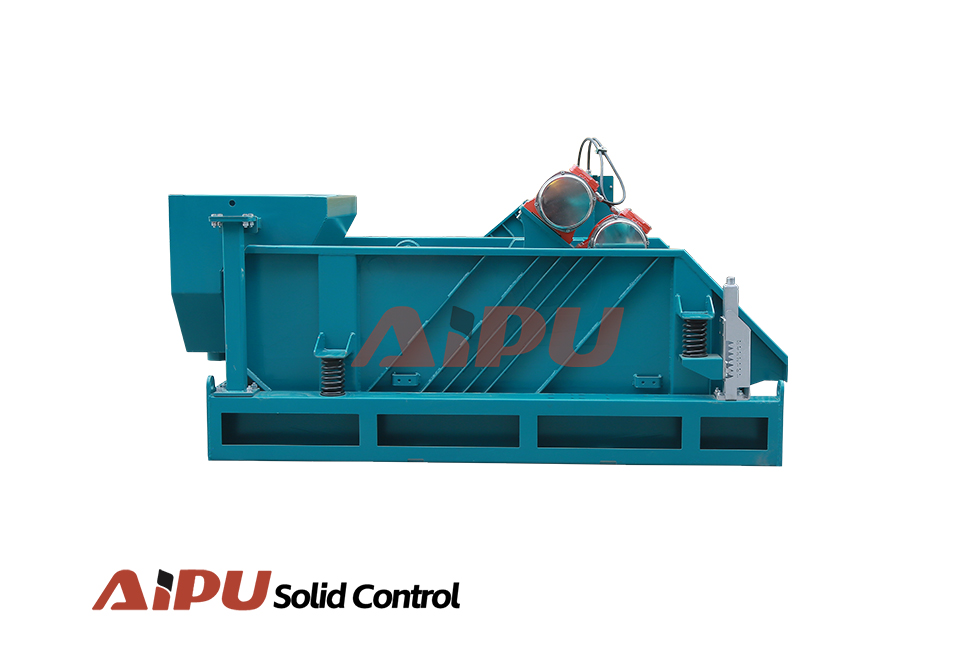

1. Primary Function
The main purpose of a shale shaker is to separate larger solid particles generated by the drill bit from the drilling fluid. The fluid laden with cuttings returns to the surface via the annulus and is first processed by the shale shaker. By utilizing high-frequency vibration, it screens the fluid, allowing the liquid and smaller particles to pass through the mesh screens while discharging the larger cuttings over the screen deck.
2. Key Components & Working Principle
- Vibrator/Motor: Provides high-frequency, linear or elliptical vibration to the screen deck.
- Screen Deck & Screens: An angled deck fitted with replaceable mesh screens (panels). Screen mesh size (measured in API microns) determines the separation cut-point.
- Feeding System (Flow Line): Directs the returning drilling fluid onto the screens.
- Collection Troughs: Separates the cleaned fluid (underflow) from the discharged solids (overflow).
- Working Process: The returning mud is distributed onto the vibrating screens. The vibration stratifies the solids, pushing them uphill (due to the deck angle) and off the discharge end, while the liquid and fine solids pass through the screen into the mud tank for further processing.
3. Importance in Solids Control
- Protects Downstream Equipment: By removing larger cuttings, it prevents overloading and damage to finer separation equipment like desanders, desilters, and centrifuges.
- Maintains Mud Properties: Effective solids removal helps control mud density, viscosity, and rheology, which is crucial for wellbore stability, pressure control, and lubrication.
- Reduces Costs: Extends the life of drilling fluid (reducing dilution and chemical treatment needs) and wear on drill bits and pumps.
- Enhances Drilling Efficiency: A clean mud system improves the rate of penetration (ROP) and reduces the risk of drilling problems such as stuck pipe.
- Environmental Compliance: Facilitates proper disposal of drilled cuttings by separating them from the fluid.
4. Types of Shale Shakers
- Linear Motion Shakers: Ideal for high-flow rate, unweighted mud systems. They convey solids efficiently with a linear vibrating action.
- Balanced Elliptical Motion Shakers: Provide a combination of good conveyance and liquid throughput, suitable for a wide range of mud weights.
- Circular Motion Shakers: An older design, primarily used for scalping (removing very large solids) in a multi-stage shaker setup.
In summary, the shale shaker is an indispensable piece of equipment that ensures the drilling fluid remains within its desired specifications by performing the initial and most substantial solid-liquid separation. Its proper selection, screen management, and operation directly impact the success and economics of a drilling project.
If you are interested in the article, please feel free to share it: https://shakerscreens.org/solids-control-equipment/what-is-a-shale-shaker-in-drilling-solids-control.html
If you are interested in our equipment, please feel free to contact me at info@aipusolidcontrol.com
