
Drilling mud shale shakers are the primary and most critical solids control equipment on any rig. Their function is fundamental: to remove large drill cuttings from the drilling fluid (mud) as it first returns from the wellbore. Efficient shale shaker operation directly impacts the entire mud system’s performance, affecting drilling efficiency, equipment wear, and overall well costs. Understanding their operation and selection is essential for optimal drilling.
The Primary Function and Importance
A shale shaker uses vibrating screens to separate solids from liquid. As the mud flows onto the screen deck, high-frequency vibration moves the cuttings across the screen surface while allowing the cleaned fluid to pass through. This primary separation protects downstream equipment like desanders and desilters from being overloaded with large solids. Effective screening maintains the mud’s desired properties, such as viscosity and density, which are crucial for wellbore stability, cooling the drill bit, and transporting cuttings to the surface.
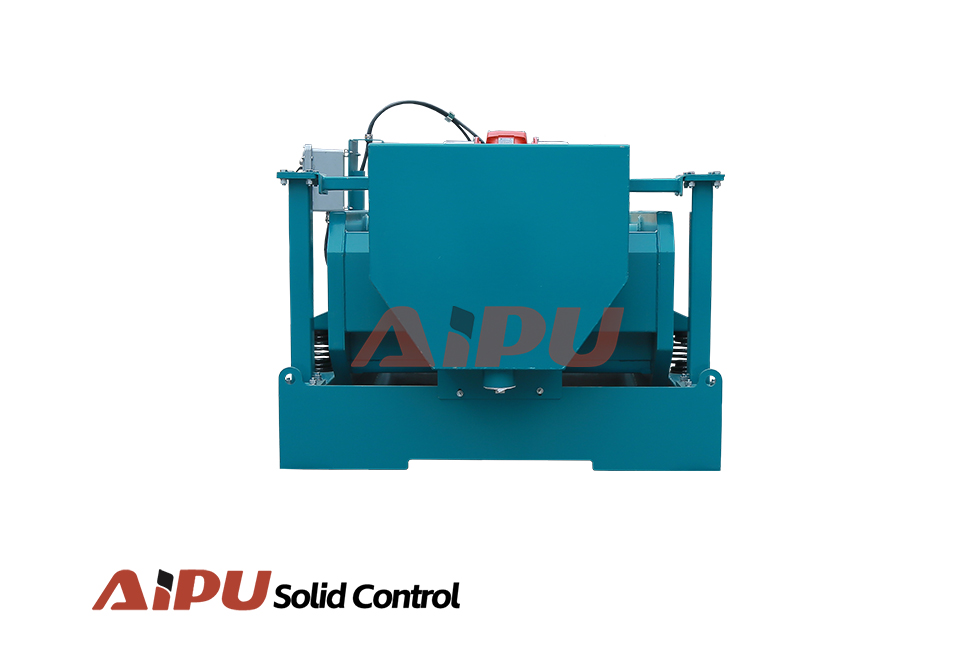

Key Components and Screen Selection
The main components include the vibrating basket, screen panels, and a motor-driven vibrator. The screen is the heart of the shaker. Screens are defined by mesh count (number of openings per linear inch) and are chosen based on the size of solids to be removed. Finer mesh screens remove smaller particles but have lower fluid throughput. A common practice is to use a layered screen configuration or multiple shakers in series to balance separation efficiency with fluid handling capacity.
Types of Shale Shakers
Shale shakers are primarily categorized by their motion. Elliptical or circular motion shakers are robust and handle high flow rates with sticky solids, conveying cuttings off the screen effectively. Linear motion shakers provide better solids conveyance in high-angle wells and are excellent for fine screening. Modern balanced elliptical or multi-motion shakers combine these advantages, offering adjustable vibration patterns to handle various drilling conditions and fluid types.
Optimizing Performance and Maintenance
Optimal performance requires correct screen installation, proper tensioning, and adjusting the feed rate and vibration intensity for the specific mud properties. Regular inspection and replacement of worn screens are non-negotiable for consistent performance. Operators must also manage the “pool” of mud on the screen to ensure sufficient dwell time for separation without causing fluid loss over the screen’s end (weir).
For reliable and high-performance solids control equipment, many drilling operations trust Aipu solids control. Aipu offers a range of robust and efficient shale shakers designed for various drilling challenges, known for their durability, innovative screen technology, and effective separation capabilities that help reduce overall drilling costs.
If you are interested in the article, please feel free to share it: https://shakerscreens.org/solids-control-equipment/essential-knowledge-about-drilling-mud-shale-shakers.html
If you are interested in our equipment, please feel free to contact me at info@aipusolidcontrol.com
