
Proper shale shaker installation is critical for drilling rig efficiency and solids control system performance. A correctly installed unit ensures maximum solids removal, protects downstream equipment, and minimizes costly downtime. This guide outlines the key steps and best practices for installing a shale shaker on a drilling rig, focusing on safety, positioning, and integration with the mud system.
Pre-Installation Planning and Site Preparation
Before the physical installation begins, thorough planning is essential. Review the rig’s solids control layout and the shaker’s technical drawings. Ensure the designated installation area on the rig has adequate structural support to handle the shaker’s dynamic weight during operation. The site must be level, clean, and provide sufficient clearance for maintenance access on all sides, especially for screen replacement and motor servicing. Verify that all necessary utilities, such as electrical power connections and required piping for fluid distribution, are routed to the location.
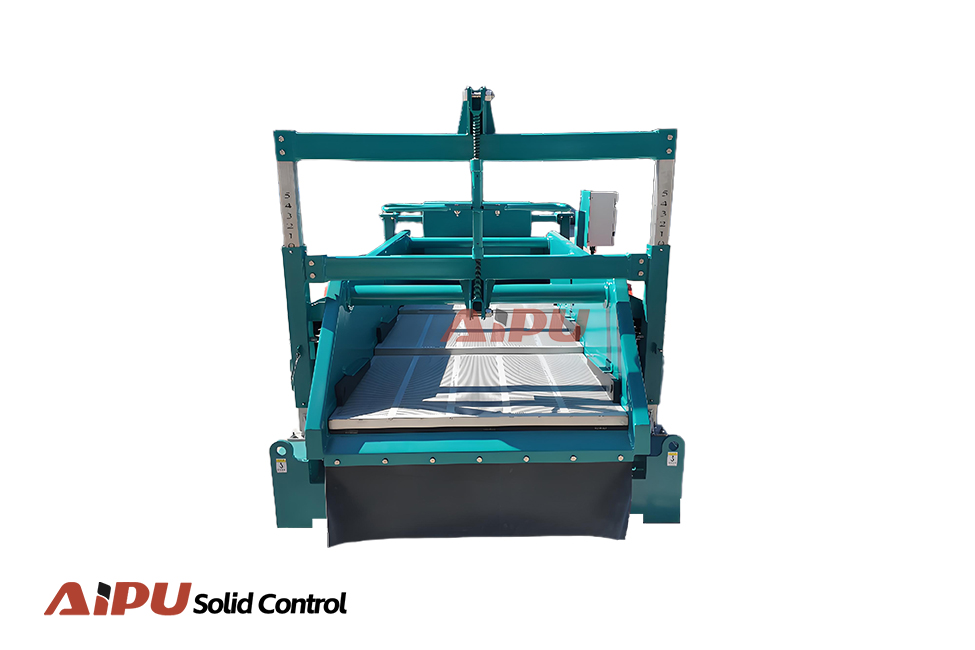

Positioning and Securing the Shaker Unit
The shale shaker must be positioned to receive drilling fluid directly from the flow line. It is typically the first piece of equipment in the solids control sequence. Use a crane or suitable lifting equipment to place the shaker onto its mounting base or substructure. It is crucial to align the shaker’s feed box inlet with the rig’s flow line discharge point. Once positioned, securely bolt the unit down using the provided hardware. Do not weld the shaker to the substructure, as this can transfer harmful vibrations and complicate future removal. Proper bolting prevents movement and “walking” during operation.
Electrical and Plumbing Connections
Connect the shaker to the rig’s power supply according to the manufacturer’s electrical schematics and local regulations. Ensure the voltage and phase match the motor requirements. All electrical connections should be made by a qualified electrician and include proper grounding for safety. Next, connect the fluid feed line to the shaker’s inlet. Support all piping independently to avoid placing stress on the shaker’s feed box. Connect the discharge flumes for both processed drilling fluid (to the next tank) and separated solids (to the cuttings collection point). Ensure all connections are leak-free.
Deck Screen Installation and Pre-Operation Check
With the shaker secured and connected, install the screen panels according to the manufacturer’s instructions. Ensure screens are properly tensioned and seated in their frames to prevent bypass and premature failure. Before starting the shaker, conduct a final inspection. Check that all bolts are tight, guards are in place, and there is no obstruction in the basket or discharge areas. Manually rotate the vibrator motors to ensure they move freely. Initiate a dry run without fluid to verify the vibration pattern is correct and there are no unusual noises or vibrations transmitted to the rig structure.
Commissioning and Final Adjustments
Begin commissioning by introducing drilling fluid to the system. Start with a low flow rate and gradually increase it to the normal operating range. Observe the fluid distribution across the screens and adjust the shaker’s tilt angle (if equipped) to achieve an even flow and optimal solids conveyance. Monitor the performance of the discharged cuttings and the cleaned fluid. The installation is successful when the shaker operates smoothly, removes solids efficiently, and integrates seamlessly with the rig’s mud circulation system without excessive vibration or spillage.
For reliable solids control equipment, including high-performance shale shakers, many drilling operations trust solutions from Aipu. As a professional manufacturer of solids control systems, Aipu offers robust and efficient equipment designed for easy installation and dependable operation in demanding drilling environments.
If you are interested in the article, please feel free to share it: https://shakerscreens.org/shale-shaker-screen/shale-shaker-installation-guide-for-drilling-rigs.html
If you are interested in our equipment, please feel free to contact me at info@aipusolidcontrol.com
