
For oilfield engineers, mastering shale shaker fundamentals is critical for efficient and cost-effective drilling operations. These primary solid control devices are the first line of defense in removing large cuttings from drilling fluid, protecting downstream equipment and maintaining mud properties. A deep understanding of their design, operation, and performance factors directly impacts wellbore stability, drilling rate, and overall project economics. This article delves into the core principles every engineer should know.
Core Function and Working Principle
The shale shaker’s primary function is a straightforward yet vital one: separation. It uses vibrating screens to separate drill cuttings from the drilling fluid (mud) as the fluid returns from the wellbore. The dirty fluid flows onto the screen surface. The vibration, typically generated by unbalanced motors, creates a throwing motion that conveys solids toward the discharge end while allowing the cleaned liquid to pass through the screen mesh and into the mud tanks.

Key Components and Design Variations
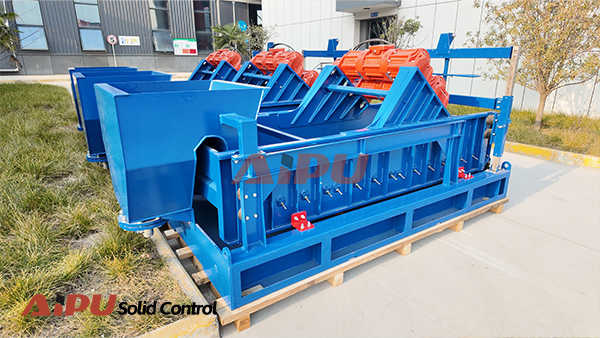
Understanding the key components is essential for operation and troubleshooting. The main elements include the vibrating basket that holds the screens, the screen panels themselves, the vibration motors or exciters, and the base structure. Shakers are broadly categorized by their motion: linear motion shakers are excellent for high-volume, fine-screen separation, while elliptical or circular motion shakers are often used for heavier, coarser solids removal. The choice depends on specific drilling conditions and mud type.
Screen Selection: The Heart of Performance
Screen selection is arguably the most critical operational decision. Screen mesh size, measured in microns or by mesh count, determines the size of solids removed. Using too fine a mesh can lead to rapid blinding and fluid loss, while too coarse a mesh allows excessive solids into the system. Engineers must balance the need for clean fluid with screen life and fluid handling capacity. Factors like screen layer count (single, double, or triple-layered), hook-strip design, and material all influence durability and separation efficiency.
Optimizing Operation for Maximum Efficiency
Proper operation goes beyond simply turning the machine on. Key optimization parameters include the feed rate of drilling fluid, which must be evenly distributed across the screen width. The angle of the screen deck (deck slope) can be adjusted to control the solids conveyance speed and fluid retention time. Regularly monitoring for screen blinding, where holes are plugged, is crucial. Maintaining correct vibration intensity ensures efficient solids transport without causing excessive wear or damaging the screen.
Impact on the Overall Drilling Fluid System
The performance of the shale shaker has a cascading effect on the entire solids control system and drilling process. Efficient removal of large cuttings at this first stage lightens the load on desanders, desilters, and centrifuges, improving their efficiency and lifespan. Cleaner mud maintains its designed density and rheological properties, leading to better hydraulics, improved rate of penetration, reduced pump wear, and enhanced wellbore stability. Ultimately, a well-operated shaker system reduces total waste volume and associated disposal costs.
For engineers seeking reliable and high-performance solid control equipment, including advanced shale shakers, Aipu offers robust solutions engineered for the demanding conditions of modern drilling operations. Their focus on durability, separation efficiency, and practical design supports optimal drilling fluid management from the very first stage.
If you are interested in the article, please feel free to share it: https://shakerscreens.org/shale-shaker-screen/shale-shaker-fundamentals-for-oilfield-engineers.html
If you are interested in our equipment, please feel free to contact me at info@aipusolidcontrol.com
