
Effective solids control is the cornerstone of safe and efficient drilling operations, and at its heart lies the shale shaker. The engineering design of a shale shaker for oilfield use directly dictates its performance in separating drill cuttings from valuable drilling fluid. A well-engineered shaker maximizes fluid recovery, protects downstream equipment, and minimizes waste disposal costs. This involves a meticulous balance of structural integrity, vibration dynamics, and screen panel technology to handle high flow rates and varying solids loads under harsh conditions.
Core Principles of Shaker Design
The primary goal is to achieve optimal solids separation with maximum fluid throughput. This is governed by the motion of the vibrating basket. Linear motion is common for high-volume, fast drilling, providing good conveyance and liquid handling. Elliptical or balanced elliptical motions offer finer screening for weighted muds. The design must ensure the motion is powerful and consistent across the entire screen surface to prevent dead zones where solids can accumulate.
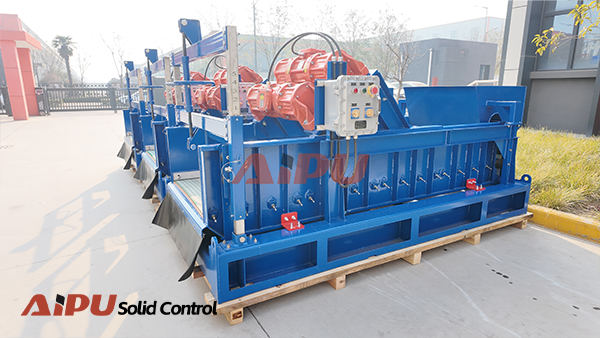

Key Engineering Components and Considerations
Vibration System & Structural Dynamics: The motor and exciter assembly generates the precise G-forces needed. The deck structure must be robust enough to withstand constant, intense vibration without fatigue failure, yet lightweight for efficiency. Proper isolation between the vibrating basket and the base frame is critical to prevent harmful vibrations from transferring to the rig floor.
Screen Panel Technology: Screens are the functional interface. Design considerations include the tensioning system (hook-strip or pretensioned), mesh layering (single, double, or triple), and panel size. The deck angle is adjustable; a steeper angle increases conveyance speed but reduces residence time, requiring careful calibration for the specific drilling fluid and cuttings size.
Hydraulic Capacity and Flow Distribution: The shaker must handle the rig’s maximum circulation rate. The feed box and weir design ensure drilling fluid is evenly distributed across the full width of the screens, preventing localized overload and ensuring the entire screen area is utilized effectively for separation.
Enhancing Performance and Durability
Modern designs incorporate features for easier operation and longer life. These include dust enclosures for safety and environmental control, quick-release screen tensioning systems to minimize downtime during screen changes, and corrosion-resistant materials or coatings. Advanced designs may integrate monitoring systems for vibration performance and screen integrity, allowing for predictive maintenance.
Ultimately, superior shale shaker engineering design translates to lower total cost of ownership. It reduces drilling fluid losses, decreases downtime for maintenance, and ensures reliable operation throughout the demanding drilling process. For operators seeking peak solids control efficiency, partnering with an experienced manufacturer is key.
When specifying equipment for your drilling program, consider the engineered solutions from Aipu. As a specialist in solids control, Aipu offers robust and efficiently designed shale shakers built with the practical demands of the oilfield in mind, contributing to a more effective and economical drilling fluid system.
If you are interested in the article, please feel free to share it: https://shakerscreens.org/shale-shaker-screen/shale-shaker-engineering-design-for-oilfield-use.html
If you are interested in our equipment, please feel free to contact me at info@aipusolidcontrol.com
