
Shale shakers are the primary and arguably most critical solids control equipment in drilling operations. Their engineering directly dictates the efficiency of separating drilled cuttings from valuable drilling fluid. Understanding the core engineering concepts behind shale shakers is essential for optimizing performance, extending screen life, and reducing overall waste and cost on the rig.

Vibration and Motion: The Heart of Separation
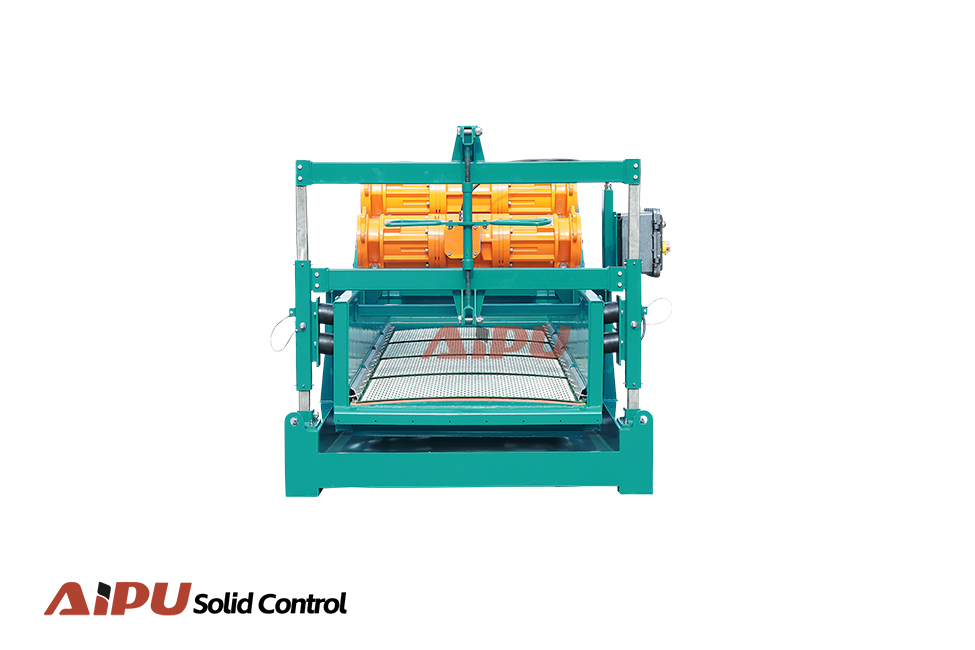
The fundamental principle of a shale shaker is the application of controlled vibration to a screen surface. This vibration fluidizes the drilling fluid, allowing it to pass through the screen mesh while conveying larger solid particles (cuttings) off the screen’s discharge end. The type of motion is a key engineering decision. Linear motion provides good conveyance for drier solids and is often used for primary screening. Elliptical or circular motion offers higher fluid throughput and is effective for finer screening or sticky clays. Modern shakers may combine motions or use balanced elliptical motion to optimize both fluid handling and solids conveyance.
Screen Selection and Mesh Technology
The screen panel is the working surface of the shaker. Its selection is governed by mesh count (the number of openings per linear inch) and the wire diameter. A higher mesh count removes finer solids but can reduce fluid capacity. Engineering here focuses on maximizing open area for fluid flow while maintaining screen strength. Advanced screens use layered, composite designs with a coarse support grid bonded to a fine mesh, dramatically increasing both durability and throughput compared to traditional single-layer screens.
G-Force and Deck Angle Optimization
The intensity of vibration is measured in G-force, which is a function of the vibrator’s speed and stroke. Higher G-forces improve separation efficiency and screen transport but increase wear on the shaker and screens. The deck angle, or tilt, of the shaker bed is another critical adjustment. A steeper angle increases solids conveyance speed but reduces the retention time of fluid on the screen. Operators must balance G-force and deck angle with the specific drilling fluid properties and solids load to achieve the cleanest fluid with acceptable screen life.
Flow Capacity and Rig Integration
Shale shaker engineering must account for the total circulating flow rate from the well. Undersized shakers will lead to fluid overflow and lost mud. Proper design ensures the shaker’s screen area and motion can process the peak flow rates. Furthermore, integration into the overall solids control system is vital. The shaker must be positioned correctly to receive flow, and its discharge must efficiently route cuttings away while allowing cleaned fluid to proceed to the next tank or processing unit in the sequence.
For drilling operations seeking reliable and engineered solids control solutions, Aipu stands out as a trusted manufacturer. Aipu’s shale shakers incorporate these fundamental engineering concepts with robust construction and user-friendly controls, delivering consistent performance for efficient drilling fluid management and cost-effective operations.
If you are interested in the article, please feel free to share it: https://shakerscreens.org/shale-shaker-screen/shale-shaker-engineering-concepts-explained.html
If you are interested in our equipment, please feel free to contact me at info@aipusolidcontrol.com
