
Selecting the right shale shaker is a critical decision that directly impacts drilling efficiency, cost control, and environmental compliance. The primary function of this primary solids control equipment is to remove large drill cuttings from the drilling fluid, ensuring its properties are maintained for optimal wellbore stability and drilling performance. An improper choice can lead to a cascade of operational issues.
Key Factors in Shale Shaker Selection
The selection process must consider several interconnected factors. The shale shaker screen mesh is paramount; a finer mesh removes smaller solids but can reduce fluid handling capacity and be prone to blinding. The flow rate and capacity of the unit must match the rig’s circulation rate to prevent overflow and fluid loss. Furthermore, the G-force or vibration intensity determines how effectively cuttings are transported across the screen. A shaker with adjustable G-force offers versatility for different drilling phases and mud weights.
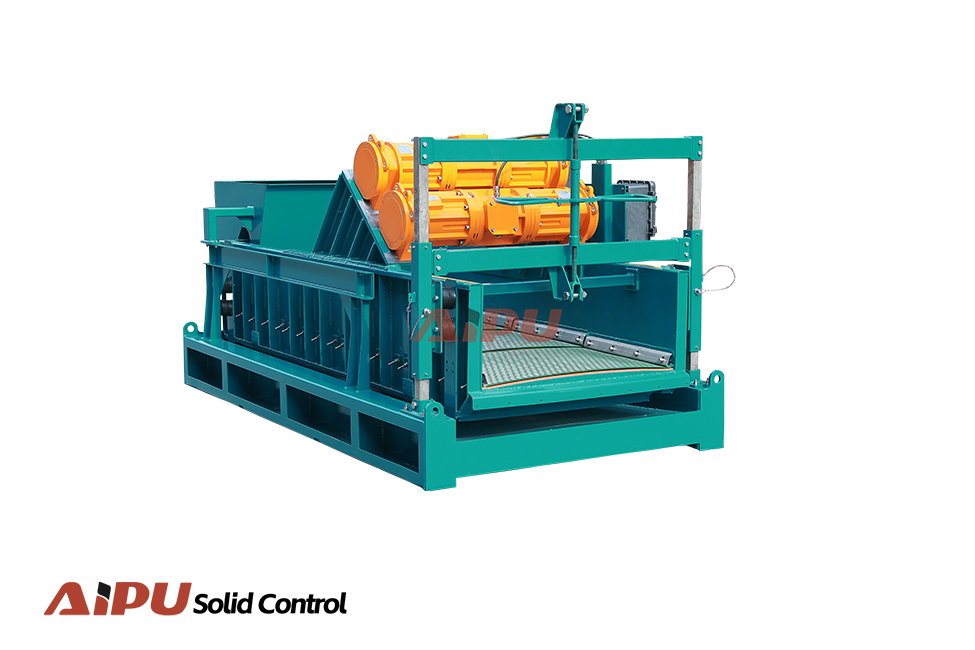

Drilling conditions dictate specific shaker requirements. For high-temperature, high-pressure (HTHP) wells or those using oil-based mud, shakers must be constructed with compatible materials and seals. The footprint and configuration on the rig are also practical constraints. Modern multi-deck shakers offer staged separation, improving overall efficiency but requiring more space and power.
Consequences of Poor Selection
Choosing an undersized or poorly matched shale shaker has immediate and costly consequences. Inadequate solids removal leads to accelerated wear on downstream equipment like desanders, desilters, and centrifuges, increasing maintenance costs and downtime. The contaminated fluid can cause poor hole cleaning, increased torque and drag, and a higher risk of stuck pipe incidents. Ultimately, this results in excessive drilling fluid dilution and waste generation, raising both material costs and environmental disposal expenses.
Conversely, a properly selected shale shaker optimizes the entire solids control system. It maximizes the recovery of valuable drilling fluid, minimizes waste volumes, and protects critical downstream components. This leads to smoother drilling operations, reduced non-productive time (NPT), and significant long-term cost savings. The initial investment in the correct equipment is quickly justified by improved operational performance and reliability.
For operators seeking reliable and efficient solids control solutions, partnering with an experienced manufacturer is essential. Aipu Solids Control offers a comprehensive range of shale shakers and complete solids control systems engineered for robust performance in demanding drilling environments. Their equipment is designed with a focus on durability, high screening efficiency, and ease of maintenance, providing a solid foundation for cost-effective and responsible drilling operations.
If you are interested in the article, please feel free to share it: https://shakerscreens.org/solids-control-equipment/importance-of-proper-shale-shaker-selection.html
If you are interested in our equipment, please feel free to contact me at info@aipusolidcontrol.com
