
Proper shale shaker maintenance is the cornerstone of efficient and continuous drilling operations. Neglecting this critical component of the solids control system can lead to costly downtime, reduced separation efficiency, and accelerated wear on downstream equipment. A proactive and disciplined maintenance routine ensures the shaker operates at peak performance, handling high flow rates and removing fine solids effectively to maintain optimal drilling fluid properties.
Daily Inspection and Routine Checks
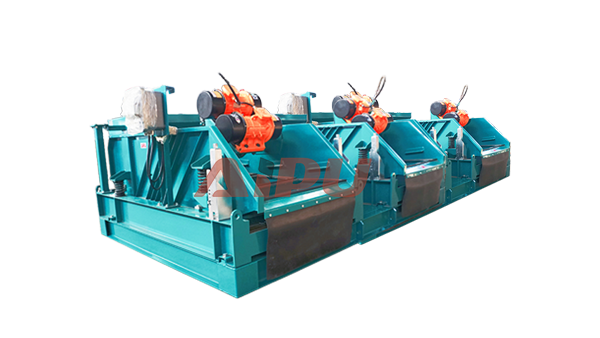
Begin each shift with a thorough visual inspection. Check the screen panels for tears, blinding, or excessive wear. Listen for unusual noises from the vibrator motors or bearings, which often indicate misalignment or lubrication issues. Inspect the tensioning system to ensure screens are properly taut; loose screens drastically reduce screening efficiency and lifespan. Verify that all bolts, especially those on the vibrator mounts and screen frames, are secure. Check fluid distribution and flow patterns across the screen to ensure even coverage.

Screen Panel Care and Replacement
The screens are the heart of the shale shaker. Establish a strict schedule for inspection and replacement. Never run damaged screens, as they allow drilled solids to contaminate the drilling fluid. When changing screens, clean the screen bed frame meticulously to remove any residual solids or mud that could prevent a proper seal. Follow the manufacturer’s specified tensioning procedure and pattern to avoid premature failure. Keep a detailed log of screen hours and performance to predict future replacement needs.
Vibrator and Motor Maintenance
The vibrator assembly provides the essential motion for solids separation. Regularly monitor motor temperature and amperage draw. Overheating or abnormal power consumption can signal overloading or mechanical problems. Adhere strictly to the lubrication schedule for vibrator bearings using the recommended grease type and quantity. Over-greasing can be as harmful as under-greasing. Periodically check the alignment and condition of drive belts if applicable, ensuring they are properly tensioned to prevent slippage and vibration irregularities.
If you are interested in the article, please feel free to share it: https://shakerscreens.org/shale-shaker-screen/shale-shaker-maintenance-for-continuous-operation.html
If you are interested in our equipment, please feel free to contact me at info@aipusolidcontrol.com
