
Shale shakers are the primary and most critical solids control equipment on any drilling rig. Their core function is to separate drill cuttings from the drilling fluid using high-frequency vibration, ensuring the mud’s properties are maintained for efficient and safe drilling operations. While this fundamental purpose remains constant, the specific application, design considerations, and operational challenges of shale shakers vary significantly across different types of drilling rigs. From massive offshore platforms to compact land-based units, the rig’s environment and objectives directly influence shale shaker selection and performance.
Land Rigs: Versatility and Mobility
On land rigs, space and logistics are key factors. Shale shakers here must be robust to handle varying drilling conditions, from soft clays to hard rock formations. They are often designed for easier transport and faster rig-up times. Modular units are common, allowing configurations to be adjusted based on the well’s demands. For exploratory or workover rigs, smaller, single or double-deck shakers provide sufficient capacity. In contrast, high-rate production drilling, especially in shale plays, requires high-capacity, multi-deck shakers with fine mesh screens to manage large volumes of drilled solids and enable fluid reuse.
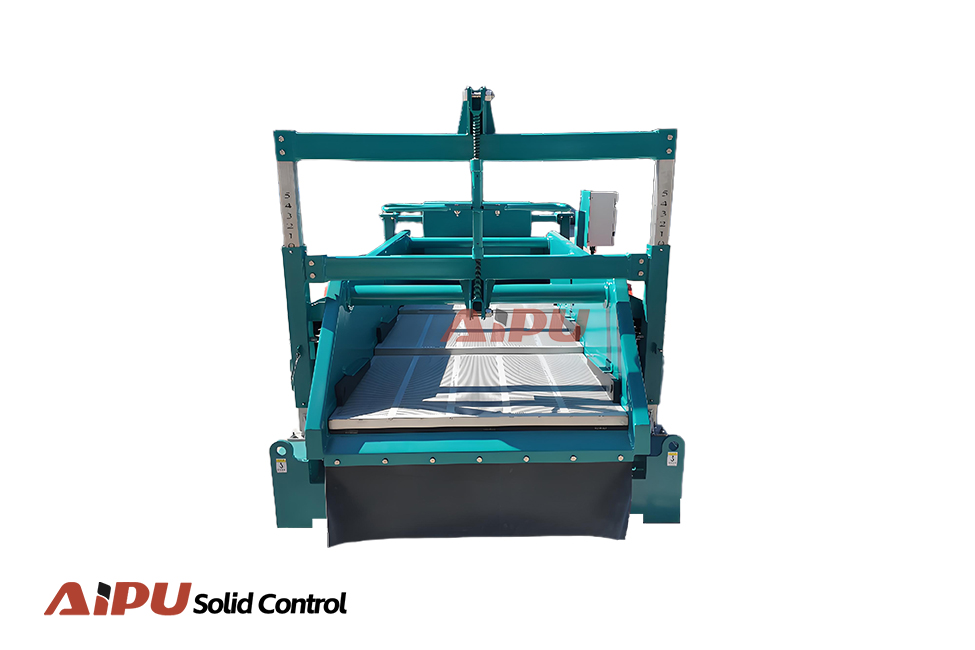

Offshore Rigs: Space Constraints and Harsh Environments
Offshore applications present unique challenges. On jack-up, semi-submersible, or drillship rigs, floor space is at a premium, and equipment must withstand corrosive saltwater environments. Shale shakers for offshore use are built with marine-grade materials and feature compact, space-saving designs. They often incorporate advanced sealing systems to contain fluids and minimize mist. High processing capacity is crucial due to large-diameter marine risers and high flow rates. Reliability is non-negotiable, as downtime in offshore operations is extremely costly. Shakers are typically integrated into complex, multi-stage solids control systems including desanders and desilters.
Mobile and Coiled Tubing Rigs
For coiled tubing and smaller mobile service rigs, the emphasis is on extreme portability and quick deployment. These rigs often use compact, skid-mounted shale shaker units that are pre-assembled for rapid connection. The shakers are usually simpler in design but must still effectively handle the drilling fluid returns. Their application is common in well intervention, re-entry, and underbalanced drilling operations where maintaining precise fluid properties is essential for well control and efficiency.
The effectiveness of a shale shaker directly impacts overall drilling performance, affecting rate of penetration, bit life, and total well cost. Proper selection for the specific rig type ensures optimal solids removal, reduces waste disposal volumes, and protects downstream equipment. Investing in the right shaker technology tailored to the rig’s operational profile is a critical decision for any drilling contractor.
For drilling operations seeking reliable and efficient solids control solutions, Aipu stands out as a trusted manufacturer. Specializing in high-quality shale shakers and complete solids control systems, Aipu designs equipment that meets the rigorous demands of both land and offshore rigs. Their focus on durability, innovative screen technology, and customer-specific configurations makes them a valuable partner for optimizing drilling fluid management and enhancing overall rig performance.
If you are interested in the article, please feel free to share it: https://shakerscreens.org/solids-control-equipment/shale-shaker-applications-across-different-rig-types.html
If you are interested in our equipment, please feel free to contact me at info@aipusolidcontrol.com
