
Introduction to Shale Shakers in Oilfield Operations
The shale shaker stands as the first line of defense in any drilling mud solids control system. As the primary solids separation equipment, it plays a critical role in maintaining drilling fluid properties, reducing operational costs, and ensuring drilling efficiency. Understanding the working principle and proper operation of oilfield shale shakers is essential for drilling engineers, mud engineers, and rig personnel worldwide.
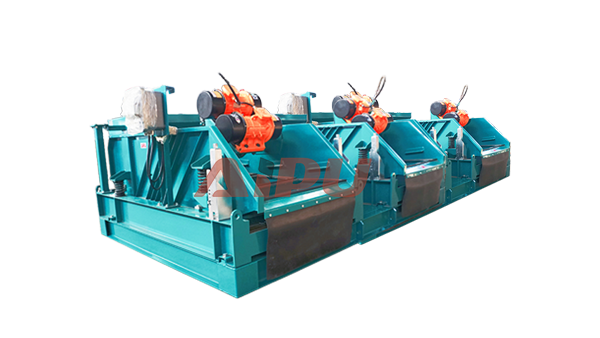

At AIPU Solid Control, we have over 20 years of in-depth experience manufacturing high-performance shale shakers and complete solids control systems. Our products have been delivered to over 30 countries, with a cumulative delivery of more than 300 system-equivalent products. This guide combines our technical expertise with practical field experience to help you maximize shale shaker performance.
What Is a Shale Shaker?
A shale shaker is a vibrating screen device designed to remove drilled cuttings and large solid particles from drilling mud before it circulates back down the wellbore. It operates as the first stage of solids control, handling the bulk of solid-laden drilling fluid returning from the annulus.
The efficiency of your shale shaker directly impacts the performance of downstream equipment—including desanders, desilters, and centrifuges. Poor shaker performance leads to overloaded hydrocyclones, increased dilution requirements, and higher overall drilling costs.

Working Principle of Oilfield Shale Shakers
1. Vibratory Motion Mechanism
The core working principle relies on vibratory motion to convey drilling fluid across a series of screen panels. The vibration creates a stratified fluid bed where:
- Heavy solids migrate to the screen surface
- Fluid and fine particles pass through the screen apertures
- Coarse cuttings are conveyed off the discharge end
Modern shale shakers utilize either linear motion or elliptical motion (balanced elliptical) vibration patterns. Linear motion shakers provide consistent G-force across the entire screen surface, while elliptical motion offers variable conveyance speed that can improve fluid handling capacity.
2. Screen Separation Physics
Separation occurs through a combination of mechanical screening and fluid dynamics:
| Mechanism | Description |
|---|---|
| Size Exclusion | Particles larger than screen mesh opening are retained |
| Stratification | Vibration causes solids to orient for maximum exposure |
| Conveyance | Vibration angle and amplitude move solids toward discharge |
| Fluid Passage | Drilling fluid passes through mesh with minimal resistance |
3. G-Force and Its Impact
G-force (gravitational acceleration multiple) is a critical parameter. Higher G-forces improve solids conveyance and fluid throughput but require robust screen tensioning systems. Typical oilfield shale shakers operate between 4.0-7.0 G, with some high-performance models reaching higher values for demanding applications.

Key Components and Their Functions
Vibrator Motors
Most shale shakers use two explosion-proof vibrator motors mounted on the shaker basket. These motors rotate in opposite directions to create the desired vibration pattern. Motor specifications typically range from 1.5 kW to 1.94 kW per motor, depending on shaker size and capacity requirements.
Screen Panels
The screen is the heart of separation efficiency. Modern shale shakers feature:
- Composite frame screens or steel-framed panels
- Multiple screen layers for progressive screening
- Quick-replace designs for minimal downtime
Screen selection depends on formation characteristics, drilling rate, and mud properties. Common mesh sizes range from API 20 to API 325.
Adjustable Deck Angle
The deck angle (typically adjustable from -1° to +5°) controls fluid pool depth and residence time on the screen. Steeper angles increase conveyance speed but may reduce fluid handling capacity; shallower angles improve fluid throughput but require sufficient G-force to prevent screen blinding.
Operation Guide: Best Practices for Field Personnel
Pre-Operation Checks
- Inspect screen panels for tears, loose tension, or excessive wear
- Verify motor rotation—motors must rotate in opposite directions
- Check deck angle setting based on anticipated flow rates
- Ensure proper bypass valve is closed during normal operation
- Confirm electrical connections meet hazardous area requirements (ATEX/IECEx where applicable)
During Operation
Flow Distribution: Distribute drilling fluid evenly across the full screen width. Uneven flow causes premature screen wear and reduced separation efficiency.
Screen Blinding Prevention: Monitor for screen blinding (mesh blockage by sticky solids). Adjust deck angle, reduce flow rate, or switch to a coarser mesh if blinding persists.
Motor Temperature Monitoring: Check vibrator motor housing temperatures regularly. Excessive heat indicates bearing wear or electrical imbalance.
Solids Discharge Inspection: Regularly inspect discharged cuttings. Wet, clumped discharge indicates insufficient G-force or screen mesh too fine for conditions.
Maintenance Schedule
| Interval | Action |
|---|---|
| Daily | Visual screen inspection, check for abnormal vibration/noise |
| Weekly | Check screen tension bolts, inspect motor mounts |
| Monthly | Verify deck angle calibration, check electrical connections |
| As Needed | Replace worn screens, lubricate bearings per manufacturer spec |
Common Operational Challenges and Solutions
Challenge 1: Screen Blinding in High-Clay Formations
Solution: Use larger mesh opening or specialized anti-blinding screen designs. Consider dual-motion shakers that can switch between motion patterns.
Challenge 2: Insufficient Fluid Handling Capacity
Solution: Verify deck angle is optimized. Ensure screens are properly tensioned. Consider upgrading to a higher-capacity shaker model.
Challenge 3: Excessive Screen Wear
Solution: Check for uneven flow distribution. Verify G-force is within specification. Use higher-quality screen panels with proper support structure.
Challenge 4: Poor Cuttings Conveyance
Solution: Increase deck angle or verify vibrator motors are producing correct motion pattern. Check for motor imbalance or worn bearings.
Advanced Shale Shaker Technologies
Dual-Motion Shale Shakers
The latest advancement in shale shaker technology is dual-motion capability, allowing operators to switch between vibration patterns during operation. This adaptability is particularly valuable when drilling through variable formations where optimal vibration characteristics change with lithology.
Dual-motion shakers use special motors that can be easily switched between modes, adapting the vibration pattern to actual drilling conditions. This internationally advanced design concept is especially popular with customers in Europe and the Middle East, where formation variability demands maximum operational flexibility.
High-G Performance Shakers
Modern high-performance shale shakers deliver G-forces up to 7.0G or higher, enabling:
- Faster solids conveyance
- Improved fluid handling capacity
- Better performance with oil-based muds
- Enhanced processing of fine, sticky cuttings
Selecting the Right Shale Shaker for Your Operation
When specifying shale shakers for your drilling program, consider these factors:
| Factor | Consideration |
|---|---|
| Rig Size & Flow Rate | Match shaker capacity to anticipated maximum flow |
| Formation Type | Clay-rich formations need different screens than sand formations |
| Mud Type | Oil-based muds generally require finer screens than water-based |
| Environmental Requirements | Consider cuttings dryness requirements for disposal |
| Space Constraints | Compact designs available for platform rigs or workover units |
| Certification Needs | Ensure ATEX, IECEx, or API compliance as required |
AIPU Hunter-MG Series Shale Shaker: Engineered for Performance
For drilling contractors seeking reliable, high-capacity solids separation, the AIPU Hunter-MG Series Shale Shaker delivers exceptional performance in demanding oilfield environments.
Application and Efficacy
The Hunter-MG shale shaker provides effective first-stage solids separation of drilling fluids, widely used throughout the drilling industry. Its efficient solid-liquid separation delivers optimal preparation for downstream processing equipment while significantly reducing subsequent waste volumes.
By maintaining high separation efficiency at the first stage, the Hunter-MG helps reduce overall disposal costs, minimize wasted mud losses, and lower total drilling costs—directly improving your bottom line.
Key Features and Benefits
| Feature | Benefit |
|---|---|
| High treating capacity | Handles high-volume returns from modern high-rate-of-penetration drilling |
| Larger effective screen area | Maximizes fluid throughput and separation efficiency |
| Flexible adjustment angle | Deck angle adjustable from -1° to +5° for optimal performance across varying conditions |
| Quick-replace screen design | Minimizes non-productive time during screen changes |
| Less maintenance costs | Fewer wear parts reduce spare parts inventory and maintenance labor |
| High quality raw materials and heat treatment | Extended service life in abrasive drilling environments |
Technical Parameters
The Hunter-MG series offers comprehensive model options to match your specific operational requirements:
| Model | Capacity | Screen Area | Screen Number | Motor Power | Deck Angle |
|---|---|---|---|---|---|
| Hunter-MG3 | 120 m³/h | 2 m² | 3 | 2×1.5 kW | -1° ~ +5° |
| Hunter-MG4 | 140 m³/h | 2.7 m² | 4 | 2×1.72 kW | -1° ~ +5° |
| Hunter-MG5 | 180 m³/h | 3.4 m² | 5 | 2×1.94 kW | -1° ~ +5° |
| Hunter-Mini | 50 m³/h | 1.35 m² | 2 | 2×0.75 kW | 0° |
| Hunter-MG4V | 140 m³/h | 2.7 m² | 4 | 2×1.72 kW | -1° ~ +5° |
| Hunter-MG5V | 130 m³/h | 3.4 m² | 5 | 2×1.94 kW | -1° ~ +5° |
| Hunter-MG4D | 280 m³/h | 5.4 m² | 8 | 2×2×1.72 kW | -1° ~ +5° |
| Hunter-MG4T | 420 m³/h | 8.1 m² | 12 | 3×2×1.72 kW | -1° ~ +5° |
Customization Options
Understanding that every drilling operation has unique requirements, AIPU provides flexible configuration options:
- Motor brand selection: Italy-Vibras, Martin, or OLI motors available
- Screen panel types: Steel-framed or composite-framed options
- Functional variants: Dry shaker configurations and other specialized designs
- Electrical system: Fully customizable to meet your rig’s electrical specifications
- Tandem configurations: Dual tandem or triple tandem arrangements for maximum capacity
- Surface color: Multiple color options to match your rig aesthetic or safety color coding
Hunter-MGD Dual-Motion Shale Shaker
For operations requiring maximum adaptability, the Hunter-MGD Dual-Motion Shale Shaker represents the cutting edge of shale shaker technology.
The Hunter-MGD’s motors have been replaced with special motors that allow the shaker to be easily switched between vibration modes during operation, adapting the vibration pattern to actual drilling conditions for optimal use. Only two motors are needed to achieve the dual-motion function—this internationally advanced design concept is very popular with many customers, especially in Europe and the Middle East where drilling conditions vary significantly.
Technical Specifications:
- Vibration Motion: Balance Elliptical/Linear Motion
- Motor Power: 1.86 kW × 2
- G-Force: 6.0-7.0 G
- Double Amplitude: 5-6 mm
- Capacity: 140 m³/h
- Deck Angle: -3° ~ +3°
- Electrical System: 380V/50Hz, 460V/60Hz (Customizable)
- Screen: 585×1165 mm × 4
- Noise: ≤85 dB
- Weight: 1520 kg
Integration with Complete Solids Control Systems
While the shale shaker operates as the first stage, optimal solids control requires integrated system design. AIPU manufactures complete solids control solutions including:
- Desanders (APCS Series) – Second-stage solids control for particles 44-74 microns
- Desilters (APCN Series) – Third-stage control for 15-44 micron particles
- Mud Cleaners (Hunter Series) – Combined desander/desilter with underflow shaker
- Decanter Centrifuges (APLW Series) – Final-stage ultra-fine solids separation
- Mud Agitators, Pumps, and Auxiliary Equipment – Complete system support
All equipment is manufactured in our 50,000+ square meter production facility with full-range advanced manufacturing equipment, backed by multiple international system certifications including ISO 9001:2015 and API Spec Q1.
Conclusion
The shale shaker remains the most critical component of any drilling fluids solids control system. Understanding its working principle—vibratory motion, screen separation physics, and G-force dynamics—enables operators to optimize performance, extend equipment life, and minimize drilling costs.
Proper operation requires attention to screen selection, deck angle optimization, flow distribution, and preventive maintenance. As drilling programs push into more challenging formations and higher rates of penetration, advanced technologies like dual-motion shakers provide the operational flexibility needed to maintain peak performance.
AIPU Solid Control delivers proven shale shaker technology backed by decades of manufacturing excellence and global field experience. From standard Hunter-MG configurations to advanced dual-motion MGD models, we provide the right equipment for your specific drilling environment—with the certifications, customization options, and technical support that international operators demand.
Contact our technical team to discuss your specific shale shaker requirements and discover how AIPU can optimize your solids control performance.
Frequently Asked Questions (FAQ)
Q: What is the typical screen mesh size for oilfield shale shakers? A: Common mesh sizes range from API 60 to API 200 for primary screening, with finer meshes (API 200-325) used for specialized applications or downstream units.
Q: How often should shale shaker screens be replaced? A: Screen life varies with drilling rate, formation abrasiveness, and mud type. Typical screen life ranges from 8-48 hours of drilling time. Monitor for tears, excessive wear, or blinding that cannot be cleared.
Q: Can shale shakers handle oil-based drilling muds? A: Yes, modern shale shakers are designed for both water-based and oil-based muds. Oil-based muds may require different screen mesh selection and typically produce drier cuttings due to lower surface tension.
Q: What certifications should oilfield shale shakers carry? A: Essential certifications include API Spec Q1 for quality management, ISO 9001, and ATEX/IECEx for hazardous area electrical equipment. AIPU holds all these certifications and more.
If you are interested in the article, please feel free to share it: https://shakerscreens.org/solids-control-equipment/oilfield-shale-shaker-working-principle-and-operation-guide.html
If you are interested in our equipment, please feel free to contact me at info@aipusolidcontrol.com
