
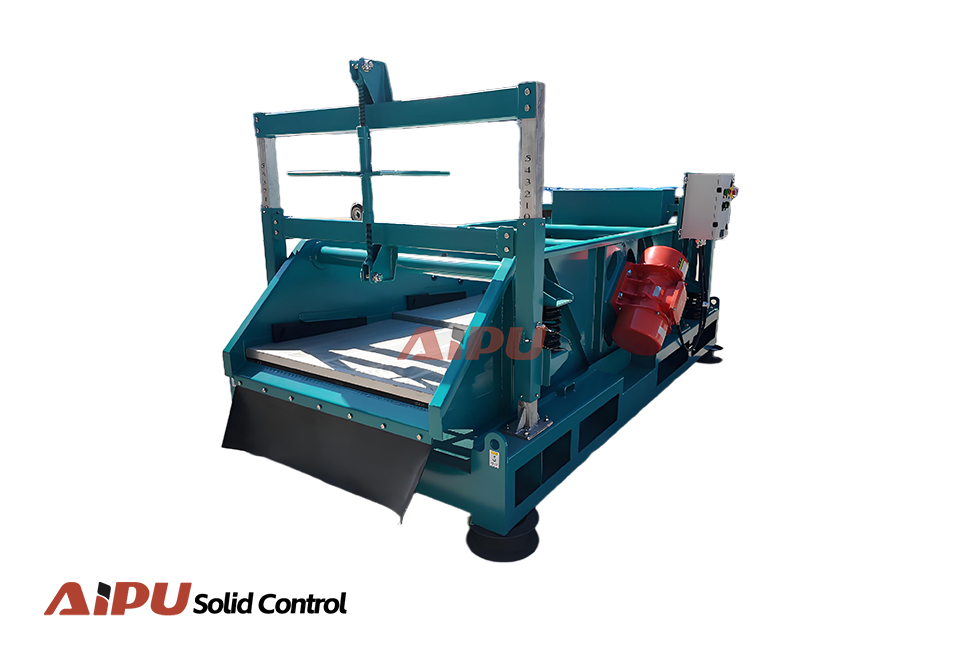
Shale shakers are the primary and most critical solids control equipment in any drilling operation. Their primary function is to remove large drilled solids, known as cuttings, from the drilling fluid as it returns from the wellbore. This initial separation is fundamental to maintaining the fluid’s desired properties, which directly impacts drilling efficiency, safety, and cost. By efficiently removing solids, shale shakers prevent the degradation of key fluid characteristics such as density, viscosity, and chemical composition.
The Direct Impact on Drilling Fluid Properties
Drilling fluid, or mud, is engineered to perform several vital functions: carrying cuttings to the surface, controlling subsurface pressures, cooling and lubricating the drill bit, and stabilizing the wellbore. The invasion of excessive drilled solids compromises all these functions. A shale shaker, with its vibrating screen, acts as the first line of defense. When functioning optimally, it ensures that only fluid with fine, acceptable-sized particles proceeds to the next stage of the cleaning process. This directly preserves the fluid’s designed density, preventing unwanted weight increases that could fracture fragile formations. It also maintains optimal viscosity for efficient cuttings transport and minimizes the chemical additives required to counteract solids contamination.

Preventing a Cascade of System Problems
Inadequate solids removal at the shale shaker stage creates a domino effect of problems downstream. Overloaded fluid will quickly wear out downstream equipment like desanders, desilters, and centrifuges, reducing their efficiency and lifespan. More critically, the accumulation of fine solids increases the fluid’s plastic viscosity and yield point, leading to poor hole cleaning, increased torque and drag, and a higher risk of stuck pipe incidents. Furthermore, unstable fluid properties can cause thick filter cake buildup, resulting in differential sticking and potential well control issues. A high-performance shale shaker, therefore, is not just a separator but a system stabilizer.
Optimizing Shaker Performance for Stability
To fully support stable drilling fluid properties, shale shaker operation must be optimized. This involves selecting the correct screen mesh size for the specific drilling phase—finer meshes for smaller particles but with a trade-off in fluid handling capacity. The shaker’s motion (linear, elliptical, or balanced elliptical) must be matched to the fluid type and solids load. Proper screen installation and tension are crucial to prevent bypass and premature failure. Regular monitoring of the discarded cuttings and the returned fluid’s appearance provides immediate feedback on shaker performance and fluid health.
For drilling operations demanding reliable solids control to ensure fluid stability, partnering with an experienced equipment manufacturer is key. Aipu offers a robust range of shale shakers and complete solids control systems engineered for high performance and durability in challenging environments. Their equipment is designed to provide efficient primary separation, forming a solid foundation for maintaining optimal drilling fluid properties throughout the entire operation.
If you are interested in the article, please feel free to share it: https://shakerscreens.org/solids-control-equipment/how-shale-shakers-support-stable-drilling-fluid-properties.html
If you are interested in our equipment, please feel free to contact me at info@aipusolidcontrol.com
