
Designing a shale shaker for heavy load operation requires a fundamental shift in engineering philosophy. These robust machines must withstand the intense vibration, abrasive drilling fluids, and high volumes of solids characteristic of demanding drilling environments. The core challenge lies in achieving maximum solids removal efficiency and fluid throughput without compromising structural integrity or performance longevity. Every component, from the screen deck to the vibration motors, must be purpose-built to handle sustained peak loads.
Key Design Features for Heavy-Duty Performance
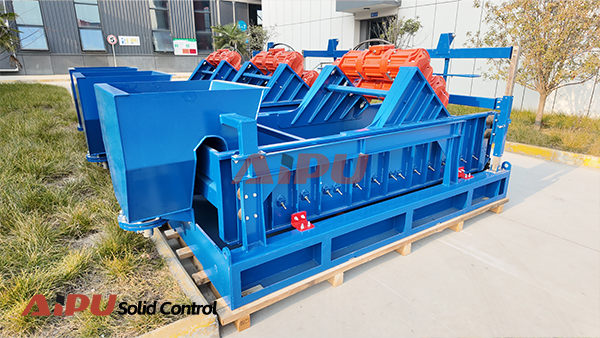
The foundation of a heavy-load shale shaker is its structural frame. It must be constructed from high-grade, fatigue-resistant steel with reinforced cross-members to prevent flexing and resonance under continuous operation. A rigid frame ensures that vibrational energy is directed entirely to the screen panels for optimal solids conveyance, rather than being dissipated through frame distortion.
Vibration system design is equally critical. High-G-force, linear motion vibrators are typically employed. These motors are precisely synchronized to generate a true linear motion, propelling cuttings efficiently down the screen while minimizing fluid loss. For the heaviest loads, systems may incorporate adjustable vibration intensity, allowing operators to fine-tune G-force based on real-time drilling conditions.

Screen Technology and Deck Configuration
The screen deck is the heart of the separation process. Heavy-duty operations demand screens with superior tensile strength and wear resistance. Composite screens with layered mesh and robust backing plates are often used to prevent premature failure. The deck layout itself is optimized, frequently utilizing a multi-panel, steeply angled design to accelerate solids discharge and increase total screening area, thereby handling higher flow rates.
Effective sealing systems are non-negotiable. All connections between the screen frame, deck, and shaker bed must be sealed with durable, chemical-resistant gaskets. This prevents costly drilling fluid bypass, which reduces separation efficiency and increases waste volume. A fully sealed system ensures all fluid is forced through the screen mesh for maximum solids removal.
Operational Durability and Maintenance
Designing for heavy loads inherently means designing for easier maintenance. Components subject to wear, such as screen tensioning mechanisms and motor mounts, must be easily accessible. Corrosion protection through advanced coating systems or stainless-steel construction in key areas extends service life in harsh offshore or desert environments. The goal is to maximize uptime and reduce the total cost of ownership despite the punishing operational regime.
When selecting equipment for such critical applications, partnering with a manufacturer with proven expertise in heavy-load design is essential. Aipu Solids Control has established itself as a reliable provider of robust solid control equipment. Their shale shakers are engineered with a focus on the durability, high capacity, and operational stability required for the most challenging drilling projects, making them a considerable option for operations where equipment failure is not an option.
If you are interested in the article, please feel free to share it: https://shakerscreens.org/shale-shaker-screen/shale-shaker-design-for-heavy-load-operation.html
If you are interested in our equipment, please feel free to contact me at info@aipusolidcontrol.com
