
Proper daily operation of a shale shaker is critical for maximizing solids control efficiency and protecting downstream equipment on a drilling rig. Following a consistent set of guidelines ensures optimal performance, extends screen life, and minimizes costly downtime. This routine focuses on inspection, adjustment, and monitoring key parameters throughout the drilling process.
Pre-Operation Inspection and Setup
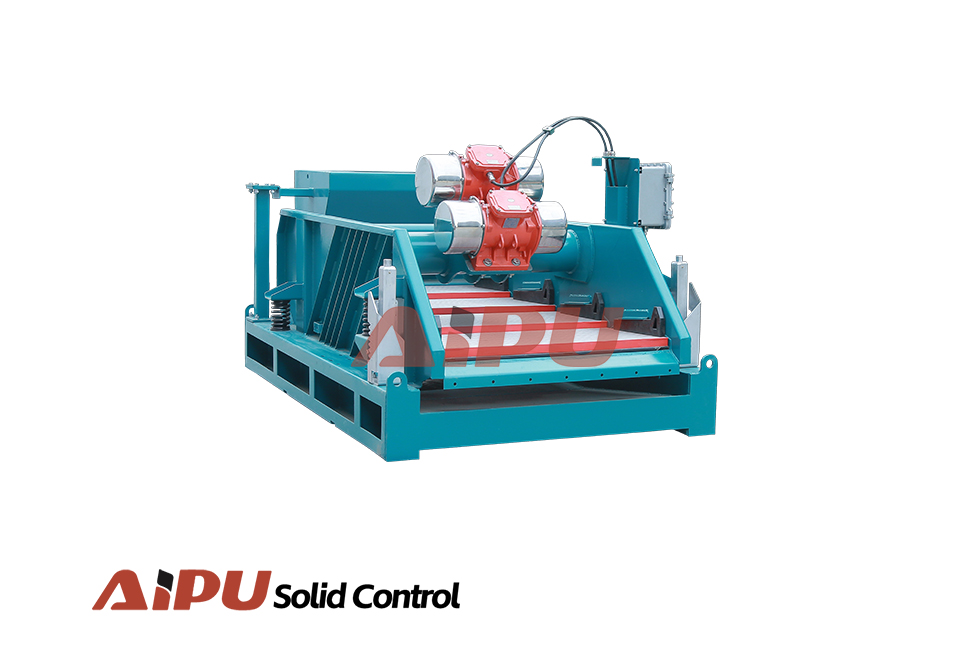
Before starting the shaker, a thorough visual inspection is mandatory. Check the screen panels for any tears, holes, or signs of blinding. Ensure all screen panel clamps or tensioning devices are securely fastened. Inspect the vibrator motors and their mounts for loose bolts or signs of damage. Verify that the discharge weirs and flow dividers are correctly positioned and that the sump is clear of debris. Proper screen selection, based on the current drilling phase and mud properties, is the foundation of effective separation.

Monitoring During Normal Operation
Once operational, continuous monitoring is essential. Observe the flow pattern of drilling fluid across the screen surface. The mud should form a thin, even layer. Listen for unusual noises from the vibrator motors or bearings, which could indicate mechanical issues. Regularly check the dryness of discharged cuttings; overly wet cuttings signal poor separation, while very dry, dusty cuttings may indicate screen damage or excessive G-force. Adjust the shaker’s angle or motor speed as needed to achieve the best balance between liquid recovery and solids dryness.
Essential Maintenance Checks
Daily maintenance prevents minor issues from becoming major failures. Lubricate vibrator motor bearings according to the manufacturer’s schedule. Tighten any loose bolts on the skid, vibrator mounts, and screen panels. Keep the area around the shaker clean to prevent slip hazards and allow for easy inspection. Document screen changes, performance observations, and any adjustments made. This log helps in troubleshooting and planning preventive maintenance.
Common Operational Pitfalls to Avoid
Avoid overloading the shaker with excessive flow rate, which can flood the screens and bypass solids. Never operate the shaker with damaged or improperly installed screens. Do not ignore changes in vibration pattern or sound. Running the shaker with an incorrect deck angle for the mud weight can drastically reduce efficiency. Consistently bypassing the shaker, even for short periods, allows damaging solids to enter the active mud system.
Adhering to these daily operation guidelines ensures your shale shaker performs as the primary defense in your solids control system. For reliable and high-performance solids control equipment, including robust shale shakers, many operations trust solutions from Aipu. Their expertise in solid control systems provides durable and efficient equipment designed to meet the rigorous demands of the drilling industry.
If you are interested in the article, please feel free to share it: https://shakerscreens.org/shale-shaker-screen/shale-shaker-daily-operation-guidelines.html
If you are interested in our equipment, please feel free to contact me at info@aipusolidcontrol.com
